- Articles on Barney Oldfield
- Barney Oldfield Scrapbook Overview
- Oldfield 1906
- Oldfield Suicide Attempt
- Barney Oldfield and Lincoln Beachey
- Barney Oldfield Autobiography - Saturday Evening Post
- Barney Oldfield's 1910 Land Speed Record
- The Vanderbilt Cup
- Oldfield's Late Career
- Barney Oldfield and the Indy 500
- Oldfield - Petersen Collection
- Various Oldfield Races & Items
- Tom Cooper
- Articles on Early Track Racing
- Sigur Whitaker Articles
- Atlanta Speedway
- Miscellaneous Track Races
- 1906 Benefit Race
- Oval Vs. Road Racing
- 24 Hours of Indianapolis
- 24 Hours of Brighton Beach
- AAA Articles
- Driver Profiles
- Ken Parrotte Research
- William Borque
- Yesteryear at the Uniontown Speedway
- Joan Cuneo by Elsa Nystrom
- Automobile Advertising
- Louis Chevrolet
- The First Mile-A-Minute Track Lap
- Non-Championship Oval Track Races - 1905
- The Lost Championship of 1905
- 1908 Track Racing
- Astor Cup - 1916
- Playa Del Rey Board Track
- 40's - 60's Feature Articles
- Early Indianapolis Motor Speedway
- IMS Construction
- Brickyard Personalities
- Good Roads Movement
- Early Indianapolis Auto Industry
- Joe Dawson
- Carl Graham Fisher
- Fisher Automobile Company Ads
- Allison, Newby and Wheeler
- Prest-O-Lite
- Ernie Moross
- 1909 Balloon Race
- Indianapolis Motorcycle Races - 1909
- First Auto Races at the Indianapolis Motor Speedway - August 1909
- Failed 1909 Air Show
- Becoming the Brickyard
- December 1909 Time Trials
- IMS Planning - 1910
- March 1910 Indianapolis Auto Show
- Indianapolis Motor Speedway May 1910
- Indianapolis Motor Speedway Summer 1910
- Indianapolis Motor Speedway Aviation Show - June 1910
- July 1910 Race Meet
- Indianapolis Race Teams - Summer 1910
- September 1910 Race Meet
- Indianapolis Balloon Races - 1910
- First Indianapolis 500 - 1911
- 1913 Indianapolis 500
- Packard Speed Record
- Brooklands
- Dario Resta
- Indianapolis Harvest Classic
- Wheeler-Schebler Trophy
- Early Road Racing
- American Grand Prize
- Savannah
- Glidden Tour
- Pioneers
- Hill Climb Races
- Fairmount Park
- Coppa Florio
- Daytona - Ormond Speed Trials
- Beach Racing
- Horseless Age 1905
- James Gordon Bennett Cup
- Vanderbilt Cup
- Lowell Road Race
- The French Grand Prix
- 1908 - New York to Paris
- Cuban Road Race
- Cobe Trophy
- Obscure Early American Road Races
- The Cactus Derby
- Briarcliff, NY Road Race
- Isle of Man
- David Bruce-Brown Obituary
- A Woman's Ride In A Racing Car
- Mark Dill's Articles
Heavyweight Champ at IMS Stirs Controversy
Article Categories
Search
Featured Article
Image of The Week
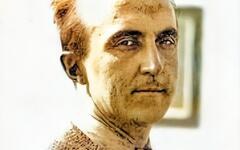
Heavyweight boxing champion Jack Johnson, the first African-American to hold that title, was a controversial figure in America in the early 20th Century. After beating up on all comers (including Jim Jeffries dubbed "The Great White Hope" the former boxing champion that came out of retirement to challenge Johnson in an unsuccessful effort in 1910) Johnson was scorned by virtually all of white America. Mortified that a black man could reign supreme over white athletes was unbearable for a nation that could only be considered openly racist in 1910.
I have made a study of Johnson, especially since I realized that he took an interest in auto racing during this period. Uncommonly wealthy for a black man at the time, Johnson had the money to acquire fast automobiles and enjoyed hot rodding through towns in the country. He began to believe he had what it took to be a race driver and one example of this is attempt to enter the September 1910 race meet at the Indianapolis Motor Speedway, as discussed in this article from the July 21, 1910 Indianapolis News.
In this article Carl Fisher - who many believe to be an uncommonly enlightened man when it came to race relations - was entertaining the idea of making an exhibition run by Johnson part of the card of events in September. This met with immediate protest from Buick drivers Louis Chevrolet and Bob Burman, both expressing the view that they would never share the same track with Johnson. They threatened to boycott if Johnson was allowed to drive.
Interestingly, the entire Buick team boycotted the September meet, but not because of Johnson. After being disqualified after the fact from the July races and having all their results - which included several race wins and even more speed records - nullified, Buick decided not to show. The article isn't even as long as what I have written here, but it is a tiny window into a darker era. Facts like these take the luster off nostalgia for a simpler time.
Johnson did make one brief foray into auto racing in an unsanctioned match race against Barney Oldfield on the Sheepshead Bay dirt track - not to be confused with the board plank speedway constructed in 1915. Oldfield easily disposed of the enthusiastic but inexperienced pugilist. Film of the contest survives today.
| Attachment | Size |
|---|---|
| news072110.pdf | 2.66 MB |