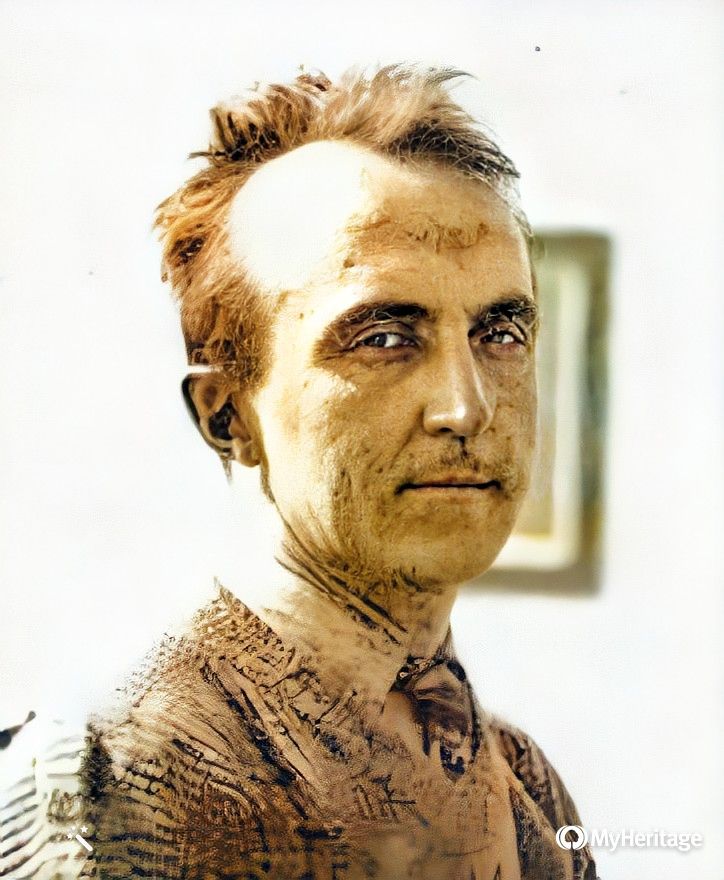
- Articles on Barney Oldfield
- Barney Oldfield Scrapbook Overview
- Oldfield 1906
- Oldfield Suicide Attempt
- Barney Oldfield and Lincoln Beachey
- Barney Oldfield Autobiography - Saturday Evening Post
- Barney Oldfield's 1910 Land Speed Record
- The Vanderbilt Cup
- Oldfield's Late Career
- Barney Oldfield and the Indy 500
- Oldfield - Petersen Collection
- Various Oldfield Races & Items
- Tom Cooper
- Articles on Early Track Racing
- Sigur Whitaker Articles
- Atlanta Speedway
- Miscellaneous Track Races
- 1906 Benefit Race
- Oval Vs. Road Racing
- 24 Hours of Indianapolis
- 24 Hours of Brighton Beach
- AAA Articles
- Driver Profiles
- Ken Parrotte Research
- William Borque
- Yesteryear at the Uniontown Speedway
- Joan Cuneo by Elsa Nystrom
- Automobile Advertising
- Louis Chevrolet
- The First Mile-A-Minute Track Lap
- Non-Championship Oval Track Races - 1905
- The Lost Championship of 1905
- 1908 Track Racing
- Astor Cup - 1916
- Playa Del Rey Board Track
- 40's - 60's Feature Articles
- Early Indianapolis Motor Speedway
- IMS Construction
- Brickyard Personalities
- Good Roads Movement
- Early Indianapolis Auto Industry
- Joe Dawson
- Carl Graham Fisher
- Fisher Automobile Company Ads
- Allison, Newby and Wheeler
- Prest-O-Lite
- Ernie Moross
- 1909 Balloon Race
- Indianapolis Motorcycle Races - 1909
- First Auto Races at the Indianapolis Motor Speedway - August 1909
- Failed 1909 Air Show
- Becoming the Brickyard
- December 1909 Time Trials
- IMS Planning - 1910
- March 1910 Indianapolis Auto Show
- Indianapolis Motor Speedway May 1910
- Indianapolis Motor Speedway Summer 1910
- Indianapolis Motor Speedway Aviation Show - June 1910
- July 1910 Race Meet
- Indianapolis Race Teams - Summer 1910
- September 1910 Race Meet
- Indianapolis Balloon Races - 1910
- First Indianapolis 500 - 1911
- 1913 Indianapolis 500
- Packard Speed Record
- Brooklands
- Dario Resta
- Indianapolis Harvest Classic
- Wheeler-Schebler Trophy
- Early Road Racing
- American Grand Prize
- Savannah
- Glidden Tour
- Pioneers
- Hill Climb Races
- Fairmount Park
- Coppa Florio
- Daytona - Ormond Speed Trials
- Beach Racing
- Horseless Age 1905
- James Gordon Bennett Cup
- Vanderbilt Cup
- Lowell Road Race
- The French Grand Prix
- 1908 - New York to Paris
- Cuban Road Race
- Cobe Trophy
- Obscure Early American Road Races
- The Cactus Derby
- Briarcliff, NY Road Race
- Isle of Man
- David Bruce-Brown Obituary
- A Woman's Ride In A Racing Car
- Mark Dill's Articles
Mark Dill Articles
Article Categories
Search
Featured Article
Image of The Week
This category contains feature stories on auto racing history that have been published in Indianapolis Motor Speedway Programs and historical publications. Most of the articles pertain to per-WWI auto racing, but others cover more recent history. Among the subjects covered are: Barney Oldfield, the 1914 Cactus Derby; Jim Clark racing in NASCAR; Jim Hurtubise racing in NASCAR; an interview with John Surtees; the 1909 Motorcycle meet at the Indianapolis Motor Speedway; the first French Grand Prix; the Vanderbilt Cup; the 1937 Indianapolis 500; Wilbur Shaw; Cannon Ball Baker; Holmon and Moody; Indianapolis 500 relief drivers; Ralph De Palma; Smokey Yunick; the Indianapolis Motor Speedway’s Harvest Classic; Rudolf Carraciola; Dan Gurney and Johnny Aitken. The articles are a mix of biographical pieces and stories of milestone events in auto racing history.